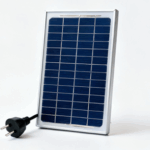
Plug In Solar Proposed for PA and NY
December 2, 2025
Learn About the Economic Impacts of Fracking in PA
January 24, 2026The Problem with Plastic
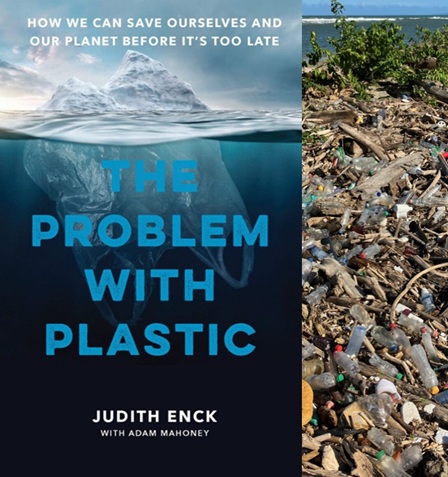
On right, J. Cyphers’ pic of plastic trash along Dominican Republic shore line
Let the threat of an incinerator in our community be the push that catapults us all into the ZERO WASTE/ZERO PLASTIC movement!
Here are some guidelines to help your family achieve Zero Waste AND Zero Plastic ~ By Jane Cyphers
WASTE LAND~music by Moby~Sundance audience award winner 2010 documentary is about living in and around waste
What if we had to live in the waste created over our lifetimes?
Yes, this is a long list, but start with one or two. Know that adding these ideas to your routines can absolutely help make things better – even small changes are meaningful. Also, visit with Jane at the DCS Storefront at 25 Main Street, Narrowsburg, NY. Open on weekend afternoons.
Download the Zero Waste Guidelines (below) as a pdf
- Read The Problem With Plastic, Judith Enck’s new book. Judith started Beyond Plastics. She served as EPA Region 2 Administrator, and then went on to start BP.
- Support the work of Beyond Plastics and help pass PRRIA, the Packaging Reduction & Recycling Infrastructure Act in NY. Call your Senator and Assembly It’s time to shift the responsibility and cost of plastic packaging waste management from taxpayers to producers. NY, lead the way! Get the Beyond Plastics FACT SHEETS here.
- Learn the source of the plastic crisis in the documentary The Story of Plastic. The documentary Plastic Earth presents technologies to the plastic waste stream worth debating.1000 Rivers Emit Nearly 80% of Riverine Plastic Pollution into Worlds Oceans, Newly Published Research Shows | Press Release | The Ocean Cleanup
- Find out why incineration of garbage is not a viable choice. On Radio Chatskill Barbara Arrindell and Rebekah Creshkoff discuss the proposed Sullivan County incinerator.
- Choose reusable, re-sellable, recyclable or compostable Avoid items made of plastic or partially made of plastic and composite materials.
- For single use items, only buy what can be recycled. If you’re not sure, inquire at your recycling center. Every county in NY has it’s local recycling guidelines. In Wayne County Pa there’s a list of Municipal Drop-Off Recycling Sites. I live in Pa and go to the recycling center on Rt 652. Accepted Materials | Wayne County, PAFor ex. This facility takes 1 and 2 plastics, but only BOTTLES. They specifically say… Do not include with plastic bottles: plastic bags, tubs, trays, toys or other plastic items (even if they are labeled Number 1 or Number 2), Styrofoam, plastic bottles labeled with Number 3, Number 4, Number 5, Number 6 or Number 7 on bottom or motor oil bottles. So even though the toothpaste I use says, “Replace cap and recycle with #2 plastics,” it can’t be recycled at this facility so I stopped buying it and went to tooth powder. (I’m experimenting with different types and recipes. I purchased some “Bites“ who also sell toothbrushes made from bamboo with biodegradable bristles). Here’s the Sullivan County Single Stream Recycling Guide, the Single Stream Recycling Brochure, the Food Scrap Recycling Guide and a Home Composting Guide.
- For parties get a stack of stainless steel plates, cups, and utensils. Collect utensils from Sally Ann (The Salvation Army). Use paper decorations, or old silk scarves tied together for streamers. (Balloons? They can’t be recycled. Take care with them. Wildlife will thank you.)
- Filter your tap water if necessary to avoid bottled water. Test your water if you’re not sure. It’s always good to have a baseline test anyway. We used this lab; AG Environmental / Sullivan County Labs. If you want a reliable screening for PFAS try the Cyclopure Mention DCS for a discount.
- Invest in a seltzer maker. This is my favorite kitchen appliance. No more seltzer bottles and you know the water is safe (if you’ve tested it).
- Buy frozen juices if you’re buying reconstituted juice anyway.
- Request that meats and cheeses only be wrapped in paper.
- Bring your own containers to restaurants for leftovers. Keep a container in your car. Bring your own paper straws. Say ‘No Thank You’ to plastic utensils.
- Bring an insulated reusable bag when buying fresh fish.
- Compost or bury food waste and you won’t need plastic garbage bags. We dump ours outside our garden at the far end and we’ve never had a problem with critters.
- Use washable small bags, paper lunch bags, & reusable stainless steel containers for packing lunches, and fabric bowl covers will eliminate your need for plastic bags and Ziplock
- Use thin fabric or mesh bags when buying loose fruit or vegetables. Do NOT buy onions or tangerines in plastic mesh bags.
- Shampoos, conditioners, laundry detergents, dishwashing liquids, and deodorants can all be easily replaced with bar soaps, powders, soap blocks, and aluminum free deodorant stones. I like the large blocks of Savon de Marseille olive oil soap for dishes and FELS-NAPTHA laundry soap bar for treating stains, and the Kitsch shampoo and conditioner bars (the shampoo bar is an S shape and the conditioner is a C shape). (Try making liquid soap with bar soap!)
- Buy food and even vitamins in glass jars, preferably with metal lids. Glass is easily recycled. Plastic lids are a huge ecological problem if not recycled properly. Buy wine with real corks, not plastic ones. Buy yogurt in glass jars, make it yourself, or in recyclable plastic.
- Single stream recycling. Yes, it’s convenient, but unless there’s a sophisticated system like the one major cities have that scan all the items and then find buyers for all the items, much of it is getting landfilled. Be aware. Read about it here. Where it all goes A look inside the Monticello Transfer Station
- Before you build or renovate, search out sustainable, healthy, ‘green’ building materials. Be aware that composite building materials for flooring, siding, rugs, window blinds, etc. are often made from plastic, or they contain plastic. These items are difficult or impossible to recycle and leach harmful chemicals in landfills, which leads to water contamination. Amazingly, asphalt shingles can be recycled. (Remind your roofer). Check out www.shinglerecycling.org or www.earth911.com or you can call 1-800-CLEANUP. Consider a metal roof and natural wood siding, and hemp or Rockwool as a building or insulating material.
- Avoid large hard plastic items like plastic lawn furniture. You can’t recycling this stuff in our community. It’s all getting landfilled. (However: You can collect, wash and dry, soft, plastic bags (not crinkly plastic) that you cannot avoid using, and then take them to the 652 Wayne County Recycling Center, or to a plastic recycling location, where they are collected and sent to a facility that makes lawn furniture (TREX)).
- Plastic/vinyl tarps degrade into tiny plastic particles and get into soil. Consider canvas tarps and natural fiber ropes and twines.
- Always recycle E-waste. There are options. CDs and other hard to recycle Techno-trash? Take a look at what Green Disk accepts for recycling. Vinyl records are difficult to recycle.
- 60% of all clothing is made with synthetics; polyester, nylon, acrylic, etc. These are all forms of plastic. And 60% of all clothing produced is disposed of in landfills, or incinerated, within a year of production. Textiles are over-produced, instead of being made ON-DEMAND. Choose natural fibers for clothing and household fabrics and you’ll also avoid exposure to plastic microfibers and reduce the demand for incineration.
- Old garden hoses. Landfill. I can’t find anyone who can recycle them. Try to keep the ones you have in good shape. Fix them with repair kits.
- Consider renting or borrowing equipment instead of buying it. Don’t forget to take advantage of the Repair Cafes in our area. Consider volunteering for one!
- Floating down the river? Rent at Lou’s Tubes or borrow from a neighbor. Otherwise, be prepared to patch the inevitable hole! You can’t recycle them.
- Avoid plastic pens and especially magic markers. Choose pencils of all colors instead, and refillable cartridge pens. Reject plastic swag, especially pens!
- Line small trash bins in your house with small paper bags instead of plastic.
- Use small washable washcloths instead of disposable items like “wipes”. Small washcloths are being replaced by “wipes”, many of which are not biodegradable. These “wipes”, along with used dog poop bags, bandaids, and cigarette butts are some of the main sources of litter in parks. Even the “biodegradable” poop bags take several years to break down. Check out the paper dog poop bags from Poopshark or just pick the doodie up with newspaper.
- Our cats usually “Go In Green” outdoors, but we still keep a litter box indoors. We compost our biodegradable kitty litter separate from out food waste compost. We use wood pellets. You can also use grass pellets if you can find them. They absorb odors and kitty urine. Both dry the kitty poo.
- When you order online request that only biodegradable paper packaging be used.
- Consider buying beans, nuts, seeds, etc., from refill stores like the Callicoon Pantry or Nature’s Grace in Honesdale, or buy in bulk from companies that package in paper.
- Shop at farmer’s markets, or order a CSA. Bring your own reusable bags or a box. Refuse plastic bags.
- When gardening buy recyclable brooms and garden tools with wooden handles and seedlings in sod cups instead of plastic.
- Crunchy snacks are a problem. Most are wrapped in plastic. Popcorn or boxed snacks are good. Check out homemade heathy snack recipes.
- Recycle your mattresses. Great article. It’ll cost you though.
- Try to take a break for a bit and buy nothing. Get resourceful.
- Shop at Re-Use Centers Here’s a great Re-Use Center in Ithaca!
- Avoid buying new plastic toys, but if you must, there are plenty of used plastic toys out there. My grandkids and I shop at this place in Honesdale called Mommy and Me.
- Please please please reject plastic flowers and plastic grass and plastic artificial turf.
- FYI- NYC recycles all plastics except plastic film, cassettes, CDs, DVDs, garden hoses, balls, pens, markers, squeezable pouches, styrofoam, tubes of lotion, toothpaste, and The MRP – Mixed Rigid Plastic, also known as “BRP – Bulky Rigid Plastic”, is sold to Scrap Management companies for sorting, washing, and grinding.